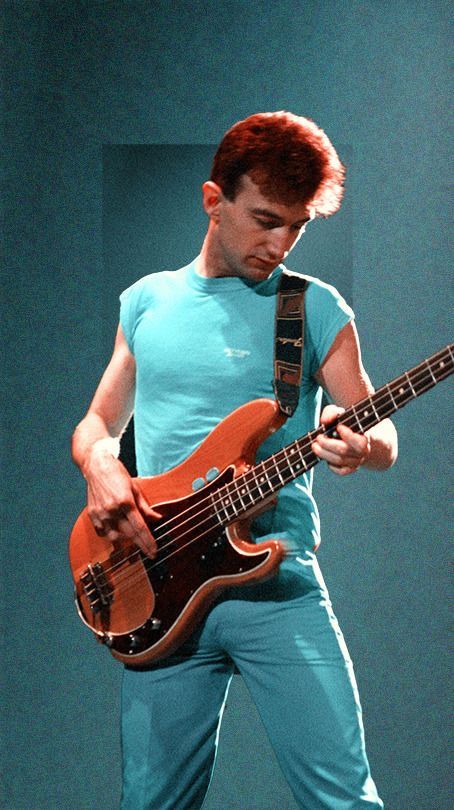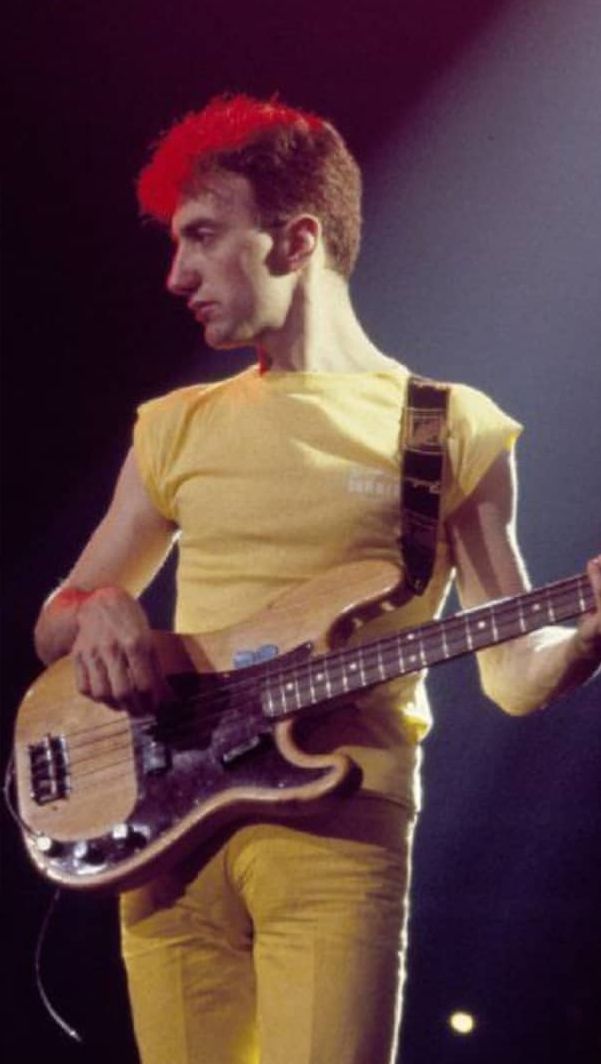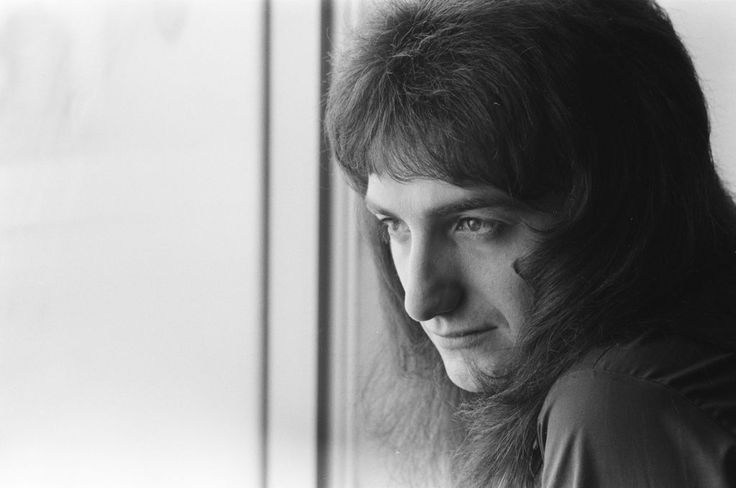
John Deacon was the last member to join Queen in 1971, completing the iconic lineup of Freddie Mercury, Brian May, and Roger Taylor. As the bass guitarist, he crafted memorable and intricate bass lines that defined many of Queen's songs, such as "Another One Bites the Dust" and "Under Pressure." His musicality provided a strong rhythmic foundation.
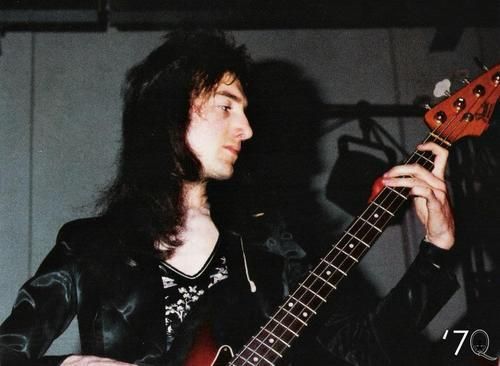
Beyond his role as bassist, John Deacon was an accomplished songwriter who contributed several of Queen’s biggest hits. He wrote "You're My Best Friend" as a tribute to his wife, Veronica, showcasing his talent for creating heartfelt lyrics and catchy melodies. His most famous composition, "Another One Bites the Dust," became one of Queen's best-sellings.
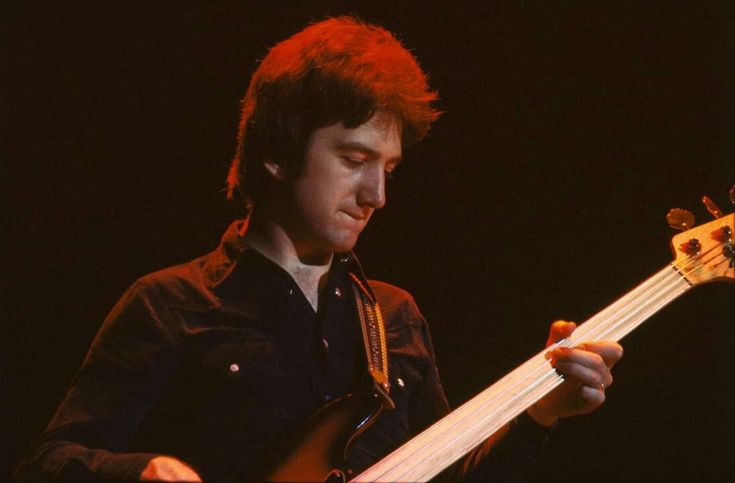
: Known for being the most introverted member of Queen, John Deacon often avoided the flamboyant stage antics that characterized his bandmates. He preferred to stay in the background, rarely giving interviews or seeking attention. His reserved demeanor earned him the nickname "the quiet one," but he was such an icon as bassist.
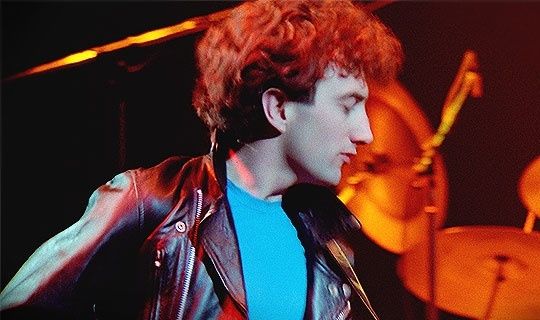
After Freddie Mercury's death in 1991, John Deacon continued working with Queen for a few years but found it difficult to carry on without Freddie. By the late 1990s, he retired from music entirely, choosing to lead a private life away from the limelight. Unlike Brian May and Roger Taylor, who continued to perform and keep Queen's legacy alive.